
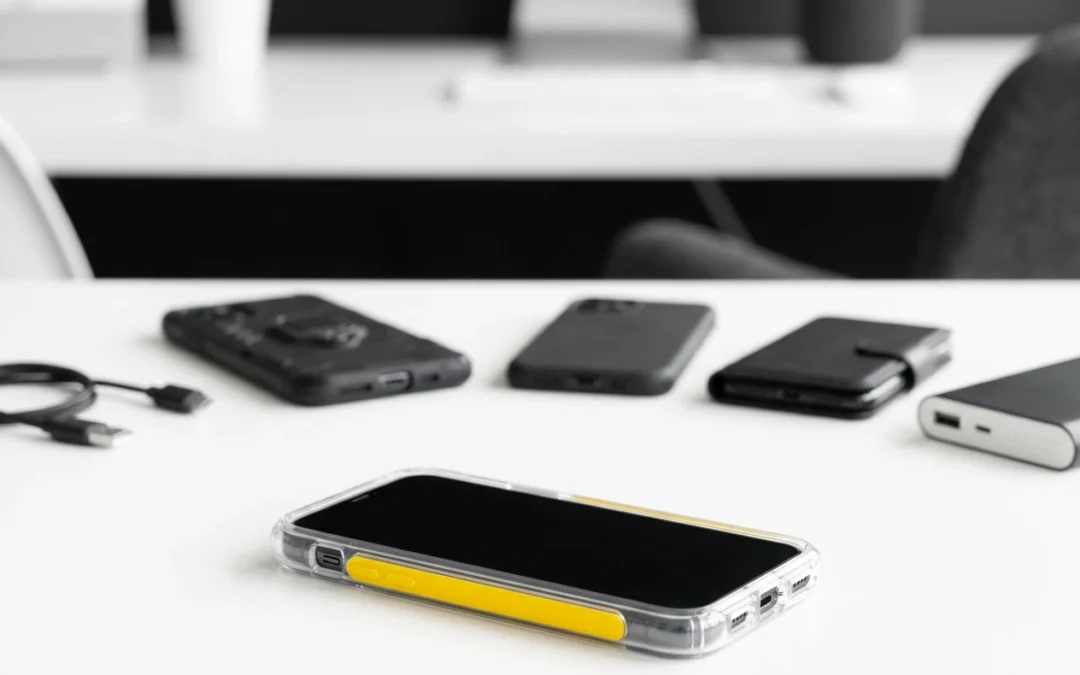
Phone Cases for iPhone and Samsung: How to Choose the Right Protection
Most people buy a phone case the same way: they grab whatever looks good, maybe check that it fits their model, and hope for the best. Then six months later, they either hate how bulky it feels or they’re standing at a repair counter with a cracked screen wondering why they bothered.
Here’s the thing. The best phone cases aren’t the ones with the longest list of protection claims. They’re the ones that actually match how you use your phone every single day.
Whether you’re an iPhone user or a Samsung fan, this guide is going to help you figure out exactly what kind of case suits your lifestyle. Not your phone’s spec sheet, your lifestyle. We’ll break down what protection ratings actually mean in plain English, walk through four real-world user profiles, and point you toward the right options available at HocoTech.
By the end, you won’t just know which case to buy. You’ll understand why it’s the right one for you, and that means you’ll actually keep it on your phone where it belongs.
Why Most People End Up With the Wrong Phone Case
Most people pick a phone case based on packaging claims or shelf appeal. Drop-test marketing is everywhere, and it’s easy to assume more protection claims equal a better choice. That logic leads people astray in both directions.
Over-protection is a genuine problem. A bulky rugged case gets pulled off within a week because it’s too thick for a pocket or too awkward at a desk. The phone ends up unprotected on the kitchen bench, which is often exactly where it slides off and cracks.
Under-protection is just as common. A slim fashion case on a phone that lives in a back pocket or gets used on a workbench offers almost no real defence against the drops that actually happen.
From a repair perspective, the screen and back-glass damage we see most often comes from ordinary, predictable moments, not freak accidents. The phone slips off a car seat. It falls out of a pocket onto a tiled floor. These aren’t unusual events, and the right case genuinely reduces how often they end in a repair bill.
The smarter starting point is to think honestly about how you carry and handle your phone every day, before you look at a single product spec or protection rating. That’s what the rest of this guide is built around.
What Protection Levels Actually Mean (Without the Jargon)
Before comparing products, it helps to know what the protection tiers actually mean.
- Slim and clear cases sit closest to the phone’s original shape. They guard against scratches and minor knocks but won’t do much in a harder fall.
- Standard protective cases add thicker sides and reinforced corners that absorb typical drops. For most people, this is the everyday workhorse: meaningful protection without excessive bulk.
- Tough or rugged cases use dual-layer or hard-shell construction with raised edges, port covers, and higher shock absorption. Built for genuine high-risk use.
- Wallet and folio cases add card storage and front-screen coverage. The trade-off is added bulk and hinge points that can become weak spots over time.
On MIL-STD-810G: you’ll see this rating on a lot of packaging. It’s a real U.S. Department of Defense testing standard, but manufacturers choose which tests to run. A case can carry that rating and still not suit your lifestyle. Treat it as one signal, not the whole answer.
Profile 1: The Careful Carrier (Desk Job, Bag or Pocket, Mostly Indoors)
If you spend most of your day at a desk, commute with your phone in a bag or front pocket, and rarely handle it in genuinely risky situations, you’re a careful carrier. Your phone lives a fairly sheltered life.
That doesn’t mean risk-free. Desk slides are more common than people expect. A polished office desk, a café table, a bedside unit, smooth surfaces offer almost no friction, and a single vibration from a notification can send your phone onto a hard floor. It’s not dramatic, but it’s the kind of drop careful carriers actually experience.
Here’s where people go wrong: they buy a bulky rugged case “just in case,” hate how it feels in a jacket pocket, and quietly take it off. At that point, the phone has zero protection.
What actually fits this profile is a slim or standard protective case with raised edges around the screen and camera module. That raised lip keeps the display and camera off the surface during a flat drop. You get real protection without the bulk, and you’ll actually keep it on.
At HocoTech in Coolangatta, the clear and slim protective cases for iPhone and Samsung do exactly this. They keep your device looking clean while covering the corners and camera bump where impacts tend to land.
One thing careful carriers consistently overlook: a case doesn’t protect the display from a face-on impact. Pair your case with a quality screen protector and that gap is covered.
Profile 2: The Active User (Tradies, Outdoor Work, Sport and Beach Days)
If Profile 1 is the careful carrier, this profile is the opposite end of the spectrum.
Tradies, construction workers, landscapers, anyone doing physical outdoor work, and anyone spending a weekend on the Gold Coast beaches, riding trails around Coolangatta or Tweed Heads, or taking their phone to the surf. Your phone lives in harsh conditions daily.
The risk profile here is genuinely different. Drops happen more often, onto concrete, gravel, tile and timber rather than carpet. Add dust from worksites, moisture from sweat and sunscreen, and vibration from power tools, and a slim case is not up to the job.
Screen and back-glass repairs are among the most common jobs we see in the workshop.
What you actually need is a rugged case with raised lip protection, reinforced corners, and resistance to dust and moisture ingress. Full waterproofing is not necessary for most people, but the case should handle a rough day without issue.
A few extra things to consider if you’re a tradie:
- Belt clip or holster compatibility keeps the phone accessible without pocketing it
- Case thickness should not bind under work gloves
- Port covers protect the charging port from dust and grime
For beach and pool days, look for a case with at least a dust and splash rating. A good rugged case handles incidental water contact, but it will not survive submersion.
Profile 3: The Parent (Kids Have Access, Shared Device, Frequent Hand-Offs)
You don’t need to be a tradie or spend your days at the beach to put your phone through its paces. If you have kids, your phone already lives a rough life.
This profile covers parents whose children regularly use their phone to watch videos, play games or take photos, plus anyone in a household where the device changes hands often.
The risk isn’t how you handle it. It’s how the least careful person in your house handles it.
A toddler doesn’t know your phone costs over a thousand dollars. They know it has Bluey on it. That means drops from low heights onto tiles or floorboards, sticky or wet hands, the occasional enthusiastic throw, and grip pressure applied in directions phones were never designed to handle.
Low-height drops are deceptively damaging because there’s no time for a controlled fall. The phone lands awkwardly, often on a corner, straight onto hard flooring.
What to look for:
- A tough or rugged case with a thick raised bezel around the screen and camera
- Grippy texture on the back and sides, not a smooth finish a child’s hands can’t hold
- No small removable parts that could become a choking hazard
Rugged cases with a built-in stand or ring holder let kids watch videos hands-free, reducing hand-offs and drop opportunities.
Avoid wallet-style cases here. A child will grab the flap like a handle, and that lever action puts serious torque on the device mid-drop.
Profile 4: The Minimalist (Hates Bulk, Prioritises Looks, Keeps It Tidy)
The risk for minimalists isn’t carelessness — it’s that the phone ends up unprotected during the everyday moments that cause most damage.
The actual risk is moderate rather than low. It’s not that minimalists are careless; it’s that the phone is case-free during the habitual moments that cause most damage: cooking, charging on a benchtop, getting in and out of the car.
The fix that doesn’t feel like a compromise
Slim, clear cases and thin hard-shell cases exist specifically for this profile. They preserve the original colour, feel and design of your iPhone or Samsung almost entirely, while still covering the corners and back where most drop damage happens. They are genuinely protective, not just decorative.
Pairing one with a tempered glass screen protector adds a second layer of coverage without extra bulk. The case handles the back and corners; the glass handles the display. Together, they cover the two most common repair jobs without changing how the phone feels in your hand.
One specific reason to reconsider going case-free on a premium iPhone
Back glass on premium iPhone models can be costly to replace. Even a slim case can meaningfully reduce the chance of back-glass cracking on a flush flat drop. It’s a small trade-off for meaningful protection.
Does It Matter If You Have an iPhone or a Samsung?
Yes, it does, and it’s worth a quick check before you buy.
iPhones (particularly the Pro models) tend to have sharp-edged frames. Corners often take the brunt of an impact, so corner padding in your case matters. Samsung Galaxy S-series models have a distinct curved profile, and a poorly fitted case can leave gaps at the edges where the glass is most exposed.
Samsung A-series phones are a different story. Many have a more impact-tolerant back, but the screen is still fully vulnerable on a face-down drop, so a case with a decent raised bezel around the front is the priority.
If you’re using a Samsung Z-series foldable, standard cases won’t work. Foldables need cases engineered specifically around the hinge mechanism, so always check that a case explicitly lists your foldable model before buying.
Camera bumps are another thing to check. Both iPhone and Samsung have grown their camera islands significantly in recent years, and a case that sits flat around the bump rather than proud of it leaves the lens exposed. Camera lens repairs aren’t cheap, so it’s worth confirming the case actually clears and protects the module.
Finally, always verify the exact model fit. A case listed as “iPhone 15” will not fit an iPhone 15 Pro — always check that the case explicitly lists your exact model, not just the series.
The team at HocoTech can point you toward screen guards and strength cases matched to your specific model.
What Even the Best Phone Case Won’t Protect Against
Even a well-chosen case has limits worth knowing before you rely on it.
- Face-down drops onto the screen. A raised bezel helps, but a tempered glass screen protector is the only dedicated display protection.
- Submersion in water. “Waterproof” marketing varies wildly. Unless a case has a verified waterproof rating with fully sealed ports, dropping it in a pool or sink is a genuine risk. Splash resistance is not the same as submersion protection.
- Battery degradation. No case slows battery ageing. Lithium-ion cells lose capacity through charge cycles over time, regardless of what is on the outside of the phone. Faster drain is a battery replacement conversation, not a case problem.
- Internal damage from a hard impact. A rugged case reduces the odds significantly, but a sharp fall onto a corner can still dislodge internal components. The case absorbs some force; it cannot absorb all of it.
The repair takeaway: if your phone does get damaged despite a case, screen repairs and battery replacements are among the most frequent fixes. Acting promptly matters because a cracked screen is not just cosmetic. Cracks let moisture into the device, causing secondary damage that is harder and more expensive to fix.
Finding the Right Protective Phone Case at HocoTech
If your phone has just come back from a screen repair or battery replacement, now is a good time to reassess your case.
HocoTech stocks phone cases for iPhone and Samsung at its Coolangatta store, with slim, standard protective and rugged options across popular models. If you’re unsure which profile fits you, the team can help, particularly if you’re picking up a case alongside a screen protector or collecting a repaired device.
For anyone in Coolangatta, Tweed Heads or the broader southern Gold Coast and northern NSW area, coming in lets you check the fit and feel before you commit, which no generic online listing can offer.
If battery life is the concern, the mobile phone battery replacement service on the Gold Coast is worth a look before you write off your current device.
Thinking about upgrading instead? The refurbished phone range in Coolangatta is a practical starting point, and if you want to understand what refurbished actually means, this guide on refurbished phones in Australia covers what to check.
Can’t get to the store? Repairs can come to you, but if you’re nearby, the store is worth the visit for cases and accessories.
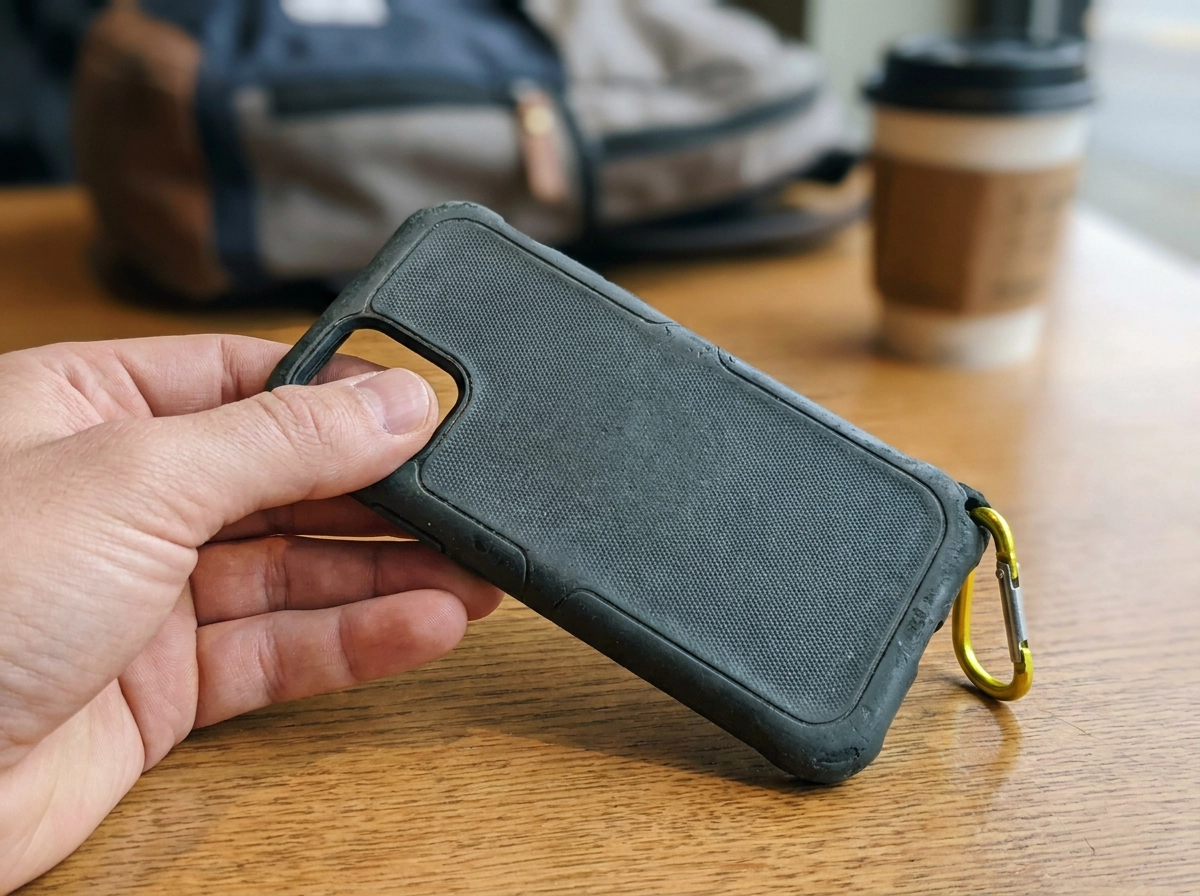
The Right Phone Case Is the One You’ll Actually Keep On
The best mobile phone cases are the ones that actually stay on your phone. That’s the whole point.
Whichever profile fits you — careful carrier, active user, parent, or minimalist — the principle is the same: match the case to real habits, not packaging claims.
Speaking of screen protectors, don’t skip one. A case covers the sides and back; a tempered glass protector covers the display. They work together, not as alternatives.
Browse cases for iPhone, Samsung and other popular models or come into the Coolangatta store for a hand with finding the right fit.
Conclusion
The wrong case is the one you leave off because it annoyed you. The right case is the one you forget is even there, until the day it saves your screen.
Whether you need a slim clear case for everyday carry or a rugged build for outdoor work, the options are out there. Browse the full range at HocoTech or visit the Coolangatta store for personalised advice and the right fit for your phone.
Frequently Asked Questions
What's the difference between a slim case and a rugged case, and which should I choose?
Slim cases sit close to your phone's original shape and protect against scratches and minor knocks, making them ideal for careful carriers who prioritize feel and appearance. Rugged cases use dual-layer construction with reinforced corners, raised edges, and port covers for higher shock absorption—better suited for tradies, outdoor workers, and active users. Your choice depends on your lifestyle: if you'll actually keep it on, it's the right one.
Will a phone case protect my screen from drops?
A quality case with a raised bezel around the screen helps, but it cannot fully protect against face-on impacts. For complete screen protection, pair your case with a tempered glass screen protector. The case handles the back and corners where most drops land; the glass protector covers the display. Together, they provide comprehensive protection.
What does the MIL-STD-810G rating actually mean?
MIL-STD-810G is a real U.S. Department of Defense testing standard seen on many case packages. However, manufacturers choose which specific tests to run, so a case can carry this rating without actually being suitable for your lifestyle. Treat it as one signal among many, not the complete answer to whether a case will protect your phone.
Are waterproof phone cases really waterproof, and will they protect my phone in a pool?
Not necessarily. 'Waterproof' marketing varies widely across manufacturers. Unless a case has a verified waterproof rating with fully sealed ports, submersion in water is a genuine risk. Splash and dust resistance is not the same as submersion protection. For beach and pool days, look for at least a dust and splash rating, but don't rely on a standard case for submersion.
My child uses my phone—what type of case should I get?
Choose a tough or rugged case with a thick raised bezel, grippy (not smooth) texture, and no small removable parts. Avoid wallet-style cases because children will grab the flap like a handle, creating dangerous torque during drops. Built-in stands or ring holders let kids watch videos hands-free, reducing hand-offs and drop opportunities. Low-height drops are deceptively damaging because the phone lands awkwardly on hard flooring.