
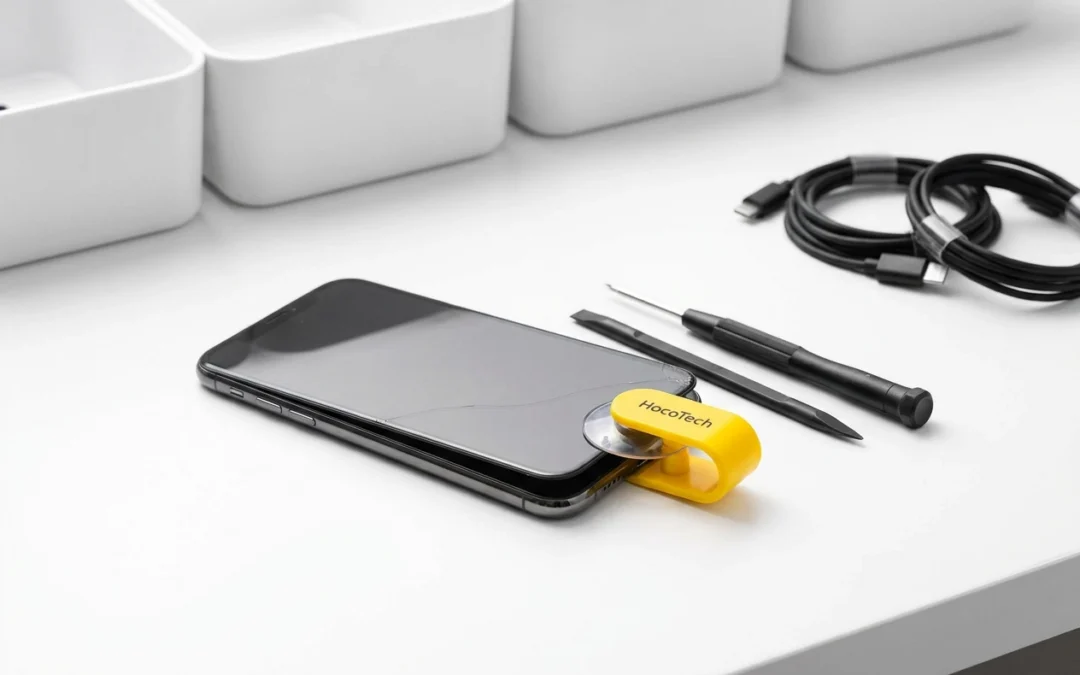
iPhone Screen Replacement in Coolangatta: Cost, Time and What to Expect
If you’re on the Gold Coast, local repair shops in Coolangatta can have your phone looking good as new, often on the same day, at a price that won’t make your eyes water. But walking into a repair shop without knowing what to expect can feel a little daunting, especially if you’ve never done it before.
This guide is here to take the mystery out of the whole process. We’ll cover what a screen replacement actually involves, how much it costs, how long it takes, what parts are used, and the right questions to ask before you hand your phone over. Let’s get into it.
What Does an iPhone Screen Replacement Actually Involve?
If your iPhone screen is cracked, unresponsive or showing dead pixels, the repair is more straightforward than most people expect. Here is what actually happens when you bring it in.
A technician removes the damaged screen assembly, disconnects it from the logic board, fits a replacement screen and seats all components securely before anything is switched back on. For a skilled technician handling phone and tablet front screen replacements regularly, it is a routine job.
One thing worth knowing: iPhones are not all built the same way inside. Older models use LCD displays, while iPhones from the iPhone X onwards use OLED technology. OLED screens are more sensitive to handle and cost more to source, which is reflected in the repair price. Your model matters.
As for whether your specific damage is fixable, the answer is almost certainly yes. Cracked glass, an unresponsive touch layer and dead pixels are all standard scenarios. You do not need a perfect-looking screen to bring it in; these are exactly the situations a front screen replacement service is designed for.
A common concern is losing Face ID after a screen swap. Done correctly, Face ID and your other sensors are preserved and should function exactly as before.
Once the replacement is fitted, a reputable shop will run a full functionality check covering touch response, display brightness, True Tone (where your model supports it) and the front camera before handing your phone back.
What Does iPhone Screen Replacement Cost on the Gold Coast?
The honest answer is: it depends, and any shop quoting a flat rate without knowing your model should raise an eyebrow.
Your iPhone model is the biggest pricing factor. Older models like the iPhone SE or iPhone 11 are generally cheaper to repair because parts are widely available and the technology is simpler. Newer flagships like the iPhone 14 Pro or 15 Pro Max cost more, reflecting the price of sourcing advanced components.
Screen technology plays a big role too. Older and budget iPhones use LCD displays, which are less expensive to source. From the iPhone X onwards, Apple moved to OLED, and Pro models have used it ever since. OLED panels cost more to manufacture, and that difference flows through to the repair price.
Parts quality adds another layer. Genuine Apple parts, high-quality aftermarket screens, and budget aftermarket options each carry different price tags. A reputable shop will tell you upfront which they use. If they are vague about it, that is worth noting before you agree to anything.
Going through Apple directly is an option, but without AppleCare+ coverage it tends to cost more, and availability at an Apple Store or through their mail-in service can mean a longer wait.
The simplest move is to contact HocoTech in Coolangatta with your model and get a straight quote. Pricing varies enough between models that an estimate without specifics is not much use.
A screen repair almost always costs a fraction of replacing the phone outright. If you are weighing repair against replacement, our guide on what ‘refurbished’ actually means when you buy a phone in Australia and what to check before you pay is worth a read, but for a cracked screen on an otherwise working iPhone, repair is nearly always the better value call.
How Long Does an iPhone Screen Repair Take?
Speed is one of the biggest reasons locals choose a nearby repair shop over posting their phone off or waiting on an Apple Store appointment.
Most standard iPhone screen replacements are completed same-day, often within a couple of hours. For a straightforward repair on a common model with parts in stock, standard screen replacements typically fall in the two-to-five-hour range.
The typical visit looks like this:
- Bring your phone in for an assessment
- The technician checks the damage and confirms what the repair involves
- You get a quoted turnaround time before any work begins
- Leave the phone with the shop while the repair is completed
- The screen is tested for touch response, brightness and front camera function
- Collect your phone, fully working
Call ahead to confirm parts are in stock for your specific model, particularly for newer or less common iPhones where stock can vary.
More complex damage or harder-to-source parts for older models may push the turnaround beyond same-day. A good shop will tell you this upfront at the assessment stage rather than after the fact.
Compare that to Apple’s mail-in service, where you could be without your phone for several days, or an Apple Store appointment that may not be available for days depending on the time of year.
Original Parts vs Aftermarket Parts: What You Need to Know
Once the turnaround question is settled, the next thing worth understanding is what actually goes into the screen itself.
Genuine Apple parts come directly through Apple’s supply chain and are built to Apple’s exact specifications. Aftermarket parts are made by third-party manufacturers, and here is where it gets nuanced: not all aftermarket screens are the same quality. There is a real difference between a high-grade aftermarket panel from a reputable supplier and a budget screen sourced purely on price.
A quality aftermarket screen can match original specifications closely for brightness, colour accuracy and touch sensitivity. A budget aftermarket screen may look slightly washed out, respond less precisely to touch, or feel noticeably different within a few weeks of use.
OLED screens deserve extra attention here. Newer iPhones (iPhone X onwards) use OLED displays, and lower-grade OLED panels can develop colour shift or uneven brightness over time. A quality replacement avoids this. It is worth asking specifically about OLED parts quality if your model uses one.
On warranties: a third-party repair can affect Apple’s own warranty coverage. That is a fair trade-off for many people, but the key is making sure your repair shop offers their own warranty on the work. Ask what it covers and how long it lasts before you agree to anything.
Before handing over your phone, ask two simple questions: what parts do you use, and is the screen tested before it goes in? A shop that answers those questions clearly is one worth trusting.
Questions to Ask Before You Hand Over Your iPhone
Knowing the right questions to ask puts you in control before you commit to anything. Here is a simple checklist to run through with any repair shop.
1. What parts do you use, and are they tested before installation? A good shop will answer this without hesitation. Whether they use high-quality aftermarket screens or genuine components, they should be able to tell you clearly and confirm that every screen is tested before it goes into your phone.
2. Do you offer a warranty on the repair, and what does it cover? Any shop confident in their work should back it with a warranty. Under Australian consumer law, you also have consumer guarantee rights independent of whatever warranty the shop offers, so it is worth knowing both.
3. Will Face ID and all other functions still work after the repair? A skilled technician will be able to confirm this upfront. Face ID sensors, the front camera and ambient light sensors all sit within the screen assembly, and a careful repair preserves every one of them.
4. How long will the repair take, and do you have the parts in stock for my model? Ask this before you make the trip. Most screen repairs are completed same-day, but confirming parts availability for your specific iPhone model saves a wasted visit.
5. Is the quote free, or is there an assessment fee? Worth knowing upfront so there are no surprises when you walk in.
6. Do you offer a Come-to-You service? If getting to Coolangatta is tricky, this matters. Customers in Tweed Heads, Kingscliff and nearby areas may be able to have a technician come to them rather than the other way around.
Can’t Get to Coolangatta? There’s a Come-to-You Option
That last question in the checklist is worth taking seriously. If getting to the Coolangatta shop is genuinely difficult, HocoTech’s Come-to-You repair service offers a practical alternative.
The service suits customers who simply cannot fit a shop visit into their day. A tradie working through a job in Tweed Heads, a parent at home in Kingscliff with young kids, someone without easy transport across the southern Gold Coast, these are exactly the situations it is designed for. Rather than rearranging your schedule around a shop, the repair comes to you.
Screen replacements and other common repairs can be carried out on-location. The quality of the repair does not change because the location does. You still get the same parts, the same workmanship and the same post-repair testing, just at a place that suits you.
Before you book, it is worth contacting HocoTech directly to confirm availability and check that your address falls within the current service area, as coverage can vary. A quick call or message before committing saves any back-and-forth.
This kind of flexibility is something a large chain or a mail-in service simply cannot offer. A locally run business based in Coolangatta can respond to local needs in ways that a national operator is not set up to. And while you are sorting the screen, it is also a good time to ask whether your battery needs attention. A professional battery replacement on the Gold Coast can be handled the same way, without a second trip.
Looking After Your Screen After the Repair
Once your phone is back in your hands, a couple of quick steps will help protect the work that has just been done.
The first is fitting a tempered glass screen protector straight away. A quality protector absorbs the impact of drops and daily scratches that would otherwise go straight to the new screen. It is a small cost that makes real sense after you have just invested in a repair.
The second is pairing that protector with a decent phone case. This matters most if your iPhone has an OLED display, which covers all current flagship models. A repeat screen replacement on an OLED phone is a more significant cost than on older LCD models, so the case is genuine insurance rather than just an accessory. HocoTech stocks both screen protectors and protective cases in-store, so you can sort protection at the same time as the repair and leave with everything done in one visit.
Before you walk out the door, take two minutes to check the phone yourself. Run your finger across the full screen surface to confirm touch response everywhere, test Face ID, check the front camera and adjust brightness up and down. If anything feels off, raise it with the technician on the spot rather than later.
Most reputable repair shops will address post-repair concerns within their warranty period, but you will need your receipt to make that straightforward. Tuck it somewhere safe before you leave.
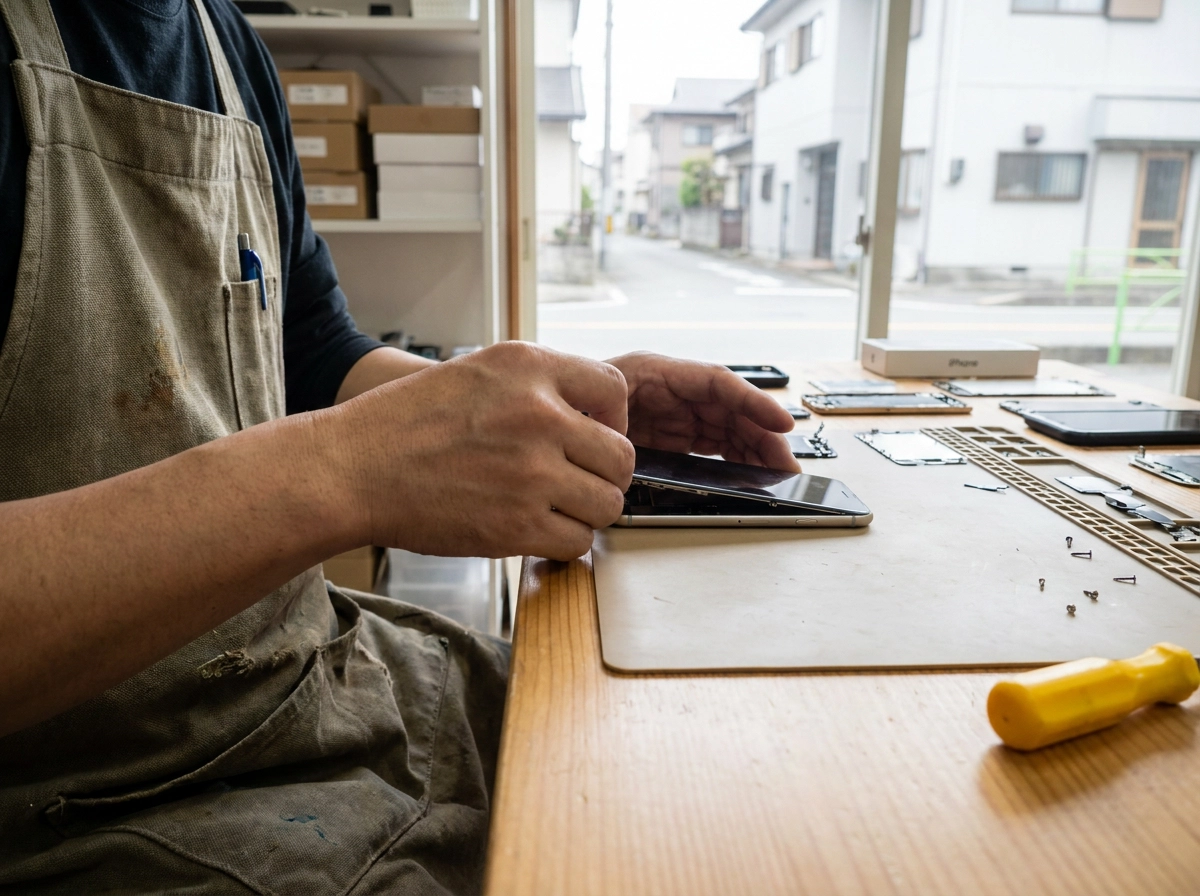
Where to Get Your iPhone Screen Repaired on the Gold Coast
Once the screen is protected and you’re happy with the repair, the last piece of the puzzle is knowing where to go in the first place.
Gold Coast iPhone owners have a few paths to choose from. Apple’s official service is one option, though it typically means booking ahead, travelling further and paying a higher price outside of AppleCare+ coverage. Mail-in repair services exist too, but they mean days without your phone. For most people dealing with cracked glass, a dead touch zone or a broken display, a local independent repair shop is the practical choice: faster turnaround, more accessible pricing and no lengthy wait.
HocoTech is based in Coolangatta and services customers across the southern Gold Coast and northern NSW, including Tweed Heads, Kingscliff and Banora Point. If you’re in the area, getting your screen sorted locally is straightforward.
The simplest first step is to get in touch, describe your iPhone model and the damage, and ask for a quote. That removes the guesswork before you commit to anything.
When you’re ready, you’ve got a few options:
- Bring your phone in to the Coolangatta shop
- Call ahead to confirm parts are in stock for your model
- Ask about the Come-to-You service if getting to the shop is difficult
There’s no pressure and no complicated process. A quick call or message is all it takes to get started.
The Bottom Line on iPhone Screen Repairs in Coolangatta
A cracked screen is a repair job, not a reason to buy a new phone. For most iPhone owners on the southern Gold Coast, a local repair shop means a same-day fix at a price well below replacement.
The key things to carry with you: cost depends on your model and the quality of parts used, and most straightforward screen replacements are turned around quickly. Asking a few simple questions before you hand over your phone, about parts quality, warranty cover, and whether your model is in stock, goes a long way toward a good outcome.
If you’re in Coolangatta, Tweed Heads, Kingscliff or anywhere nearby, HocoTech is worth a call or visit. Bring your phone in, describe the damage, and get a quote for your specific model. Not sure if your iPhone is covered or whether parts are available? Ask before you commit. If getting to the shop is difficult, the Come-to-You service may be the answer.
You’ve got everything you need to make a confident decision. The next step is a simple one.
Conclusion
A cracked iPhone screen is fixable, affordable, and often sorted the same day. The key takeaways from this guide: repair costs vary by model and parts quality, most replacements are completed quickly, and asking the right questions upfront protects you from surprises. Choosing a reputable local repairer with quality parts and a solid warranty makes all the difference to how long that repair lasts.
If you are in Coolangatta, Tweed Heads, Kingscliff or the surrounding area, you have a reliable option close by. HocoTech offers transparent pricing, quality parts, and a Come-to-You service if getting to the shop is difficult.
Do not let a cracked screen slow you down any longer than necessary. Get in touch, describe the damage, and get a quote for your specific model. One simple call is all it takes to get your iPhone back to full working order.
Frequently Asked Questions
Will I lose Face ID after getting my iPhone screen replaced?
No. When done correctly by a skilled technician, Face ID and all other sensors are preserved and should function exactly as before. Face ID sensors, the front camera, and ambient light sensors all sit within the screen assembly, and a careful repair preserves every one of them. A reputable shop will run a full functionality check before handing your phone back to confirm everything is working properly.
What's the difference between genuine Apple parts and aftermarket screen replacements?
Genuine Apple parts come directly through Apple's supply chain and are built to Apple's exact specifications. Aftermarket parts are made by third-party manufacturers, and quality varies significantly. High-grade aftermarket screens can match original specifications closely for brightness, colour accuracy and touch sensitivity, while budget aftermarket screens may look washed out, respond less precisely to touch, or feel different after a few weeks. For OLED screens (iPhone X onwards), lower-grade panels can develop colour shift or uneven brightness over time. Always ask which parts your repair shop uses and request quality assurance.
Why do iPhone screen replacement costs vary so much between models?
Several factors affect pricing. Your iPhone model is the biggest factor—older models like the iPhone SE or iPhone 11 are generally cheaper because parts are widely available and the technology is simpler. Screen technology matters too: older iPhones use LCD displays which are less expensive, while iPhone X onwards use OLED technology which costs significantly more to source. Newer flagships like the iPhone 14 Pro or 15 Pro Max cost more due to advanced components. Additionally, parts quality plays a role—genuine Apple parts, high-quality aftermarket screens, and budget options all carry different price tags. That's why it's important to get a quote for your specific model rather than accepting a flat rate.
How can I protect my iPhone screen after getting it repaired?
After your repair, fit a tempered glass screen protector straight away. A quality protector absorbs the impact of drops and daily scratches that would otherwise go to your new screen. Pair the protector with a decent phone case—this is especially important for OLED displays (current flagship models) where a repeat screen replacement is significantly more costly. Before leaving the shop, test the phone yourself by running your finger across the full screen to confirm touch response, testing Face ID, checking the front camera, and adjusting brightness. Keep your receipt somewhere safe in case you need to claim warranty coverage for any post-repair issues.
How long does an iPhone screen replacement typically take, and do I need to book in advance?
Most standard iPhone screen replacements are completed same-day, often within two to five hours for straightforward repairs on common models with parts in stock. This is one of the biggest advantages of choosing a local repair shop over Apple's mail-in service (which takes several days) or waiting for an Apple Store appointment (which may not be available for days). However, it's worth calling ahead to confirm parts are in stock for your specific model before making the trip, as availability can vary for newer or less common iPhones. More complex damage or harder-to-source parts for older models may extend the turnaround beyond same-day, though a good shop will inform you of this during the initial assessment.