Power Banks, Car Mounts and Bluetooth Accessories: How to Choose the Right Tech for You
Your phone hits 5% battery somewhere on the Pacific Motorway. Your GPS cuts out mid-navigation. Your hands-free call drops because your Bluetooth connection is unreliable. Sound familiar? For anyone commuting, driving, or travelling around the Gold Coast, these small frustrations add up fast.
The good news is that the right accessories can solve all of this before it becomes a problem. A reliable portable phone charger, a solid car mount, and a decent Bluetooth accessory are not random gadgets. Together, they form a practical kit that keeps you connected, legal behind the wheel, and in control on the move.
This guide is written for anyone who is not sure where to start. We will walk you through what each type of accessory actually does, which specs genuinely matter and which you can ignore, and how to match the right products to your everyday situation. Whether you are a daily commuter, a rideshare driver, or someone who just wants to stop running out of battery on long trips, there is something useful here for you. Let’s get into it.
Why On-the-Go Accessories Matter for Gold Coast Commuters and Travellers
If you spend any time driving between Coolangatta, Tweed Heads and the broader Gold Coast, you already know how hard your phone works. Navigation running constantly, tap-to-pay at every stop, messages and calls throughout the day, the battery takes a hit fast, and mobile coverage along some stretches can be patchy enough to make that worse.
Tourists visiting the southern Gold Coast run into exactly the same frustrations as locals. A phone dying halfway through a day trip, no way to mount it safely for navigation and Bluetooth audio dropping in and out, these are not rare inconveniences. They are predictable problems with straightforward solutions.
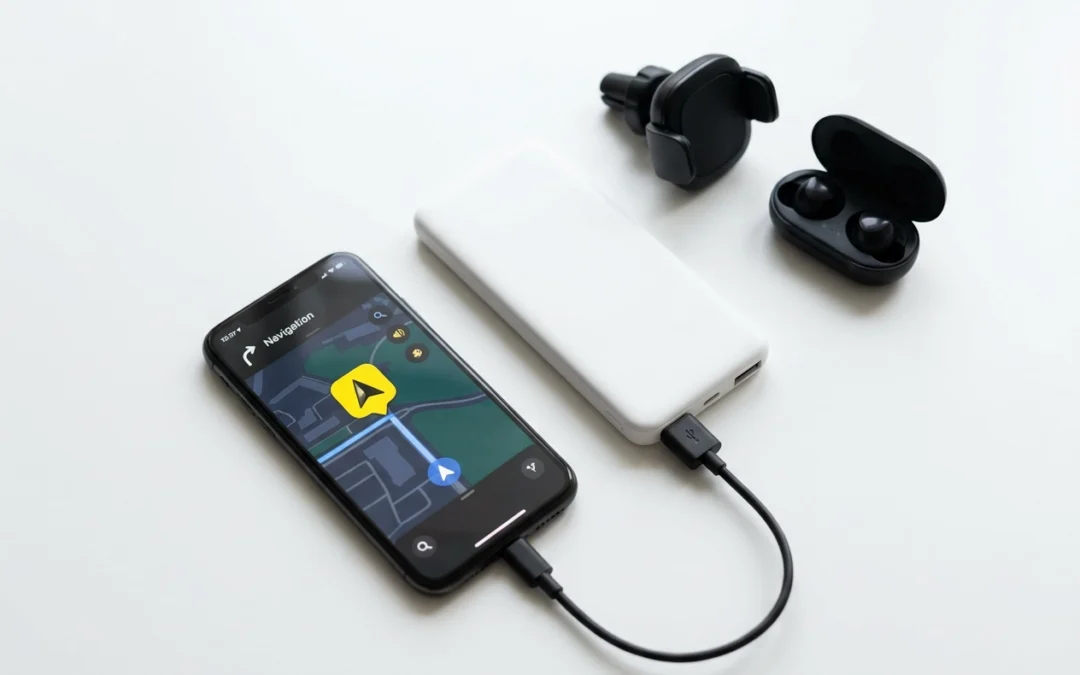
The key is thinking about accessories as a practical system rather than individual purchases. One product keeps your device charged, one holds it safely visible while you drive and one handles calls and audio without cords. Together, they remove the friction that makes a long day on the road more stressful than it needs to be.
That combination matters across a wide range of situations. Tradespeople heading between worksites, rideshare drivers doing long shifts, remote workers in transit and families on road trips all benefit from having the right setup sorted before they need it.
Mobile Phone Repairs & Accessories in Coolangatta, HocoTech stocks power banks, car mounts and Bluetooth accessories as a coordinated range, not a random shelf of unrelated items. The sections below break down each category, explain what to look for and match each product type to the situations where it makes the most difference.
Power Banks: Choosing a Portable Phone Charger That Actually Keeps Up
A power bank is only worth carrying if it can actually get your phone through the day, and the specs printed on the box tell you exactly how to judge that before you buy.
mAh is the starting point. It stands for milliampere-hours and measures how much charge the power bank holds. Most modern smartphones have batteries in the 3,500 to 5,000 mAh range, so a 10,000 mAh power bank can typically deliver one to two full recharges depending on your phone model and how you are using it, though real-world results vary.
Four specs worth comparing:
- Capacity (mAh): how many charges you get before the bank runs flat
- Output wattage: higher wattage charges faster; look for a higher-wattage output if you want faster charging
- Number of ports: useful if you carry more than one device
- Physical size: larger capacity usually means more weight, so think about whether it lives in a bag or a pocket
Fast charging compatibility matters more than most people realise. A phone that charges quickly from a wall plug may charge noticeably slower from a basic power bank that does not support fast charging protocols. Check both your phone’s fast charging standard and the power bank’s output before buying.
Check out HocoTech’s ULTIMATE POWER PACK if you want a capable starting bundle.
Capacity guide by use:
- 5,000 mAh: light daily top-ups, easy to carry
- 10,000 to 20,000 mAh: commuters on the Gold Coast to Brisbane run, tradespeople on site all day, or tourists heading up to Springbrook or the hinterland without power access
Car Phone Chargers and Mounts: Staying Safe and Charged on the Road
Once your phone is charged and ready to go, keeping it powered in the car is the next problem to solve.
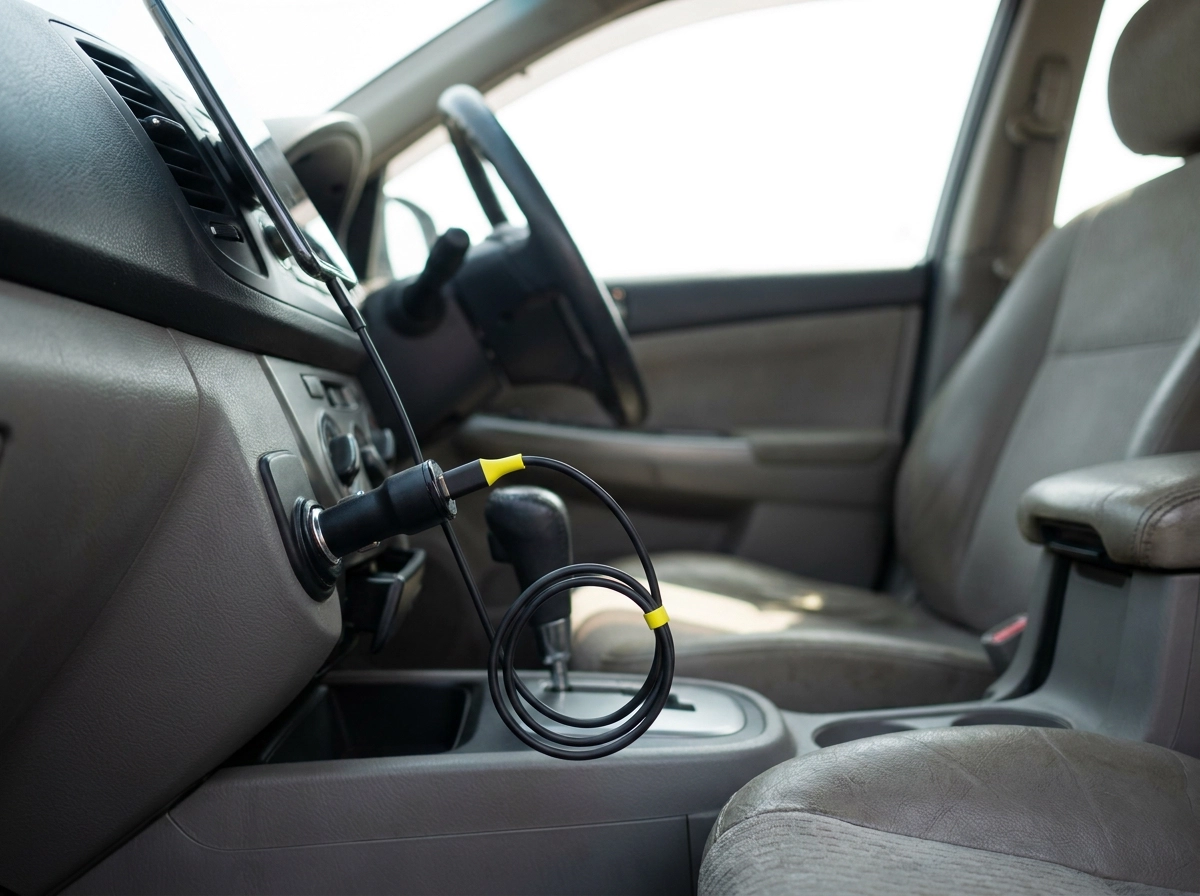
A car phone charger plugs into your vehicle’s 12V socket or USB-C port and charges your device while you drive. It is one of the most practical accessories you can buy for regular driving.
Not all car chargers are equal, though. A basic adapter may not keep pace with the drain from active navigation. Fast-charging car adapters deliver significantly higher wattage, meaning your phone actually gains charge rather than just holding steady.
Car mount types worth knowing:
- Vent clip mounts attach to your air vents and are easy to move between vehicles. Best suited to modern cars with deep, horizontal vents.
- Dashboard suction mounts grip the windscreen or dash surface and offer a more stable hold on longer drives. A better option for older vehicles with shallow or awkward vents.
- Magnetic mounts are the quickest to use but require a metal plate attached to your phone or case to work properly.
There is also a legal reason to take mounts seriously. In Queensland, it is illegal to hold or rest a phone on your body while driving, even when stopped in traffic. A phone must be in an approved, vehicle-mounted holder if you are using it. That makes a quality mount a compliance issue, not just a convenience.
Pairing a mount with a car charger gives you a complete in-vehicle setup.
HocoTech stocks a car mount, Bluetooth and Power Bank range at the Coolangatta store if you want to see the options in person.
Bluetooth Accessories: Wireless Audio and Hands-Free Options Worth Knowing About
Once your phone is mounted and charging in the car, the next gap most people notice is audio, whether that is hands-free calls, turn-by-turn navigation prompts or music on a longer run down the Pacific Highway.
Bluetooth accessories cover four main categories worth knowing:
- Wireless earbuds for commuters and pedestrians
- Over-ear headphones for longer listening sessions
- Bluetooth car speakers for vehicles without a modern stereo
- Hands-free call adapters that add Bluetooth to older cars via FM transmitter or aux input
The version number matters more than most people realise
Newer Bluetooth versions deliver more stable connections, lower latency and better range than older standards — checking the version before buying is a quick step that saves frustration later.
Drivers in older vehicles
A Bluetooth car speaker or FM transmitter with hands-free functionality is one of the most affordable ways to bring phone connectivity to a vehicle that lacks a built-in system. It handles calls legally, keeps navigation audio audible and typically runs off your existing car charger.
Commuters on the Coolangatta-to-Tweed Heads run
For anyone on foot or catching a bus, wireless earbuds with strong battery life make a real difference to the daily commute. Given Queensland’s heat and humidity, it is also worth checking whether earbuds carry a water-resistance rating. That means they can handle sweat and a surprise afternoon downpour without failing early.
Charger Cables: The Overlooked Part of Any Charging Setup
All that other gear only works as well as the cable connecting it, and this is where a lot of people quietly lose performance without realising it.
Not all cables are equal. The wire gauge inside the cable and the quality of the connector both affect how much power actually reaches your phone. A cheap cable might be rated for fast charging on the packet but consistently underdeliver because the internal wiring cannot handle the current. If your phone charges noticeably faster from a wall adapter than from your power bank using the same setup, the cable is often the culprit.
Get the right connector for your device. USB-C is now the standard across most modern Android phones and recent iPhone models. Some older iPhones use a different connector, so check your model before buying. Using the wrong cable means it simply will not plug in, and using a low-quality cable with the right connector means slow, inconsistent charging.
Braided versus rubber jackets. Braided cables are generally considered more durable for everyday carry — worth considering if you are regularly pulling a cable in and out of a bag or leaving it coiled in a car.
Length matters more than most people think. A 30 cm cable is fine for a bedside table or desk. For car charging, where the USB port often sits on the dash or in the centre console, a 1 to 2 metre cable is much more practical.
Replace damaged cables promptly. A frayed or partially broken cable is worth replacing promptly — inconsistent charging is a common early sign.
Matching the Right Accessories to Your Situation
Knowing which accessories to buy is easier once you match the purchase to how you actually use your phone.
Daily commuter: A car mount and car phone charger handle the drive, while a compact portable phone charger covers the rest of the day once you leave the vehicle. Two products, full-day coverage.
Tradesperson or outdoor worker: A high-capacity power bank paired with a durable braided cable is the most practical combination for a full day on site without access to power points. Bluetooth earbuds with a water or sweat-resistance rating add hands-free convenience without cords getting in the way.
Rideshare or delivery driver: If you spend most of your shift in the vehicle, a reliable car mount, fast-charging car adapter and a Bluetooth hands-free solution cover the full day. You may not need a power bank at all.
Traveller passing through Coolangatta: A mid-capacity portable phone charger and a universal USB-C cable cover most scenarios. If you are picking up a hire car, add a compact car mount for navigation.
Older phone without fast charging: A high-wattage adapter will not speed things up if your phone does not support fast charging. Check your phone’s charging limit before buying, so you are not paying for specs your device cannot use. If your phone is draining faster than it should, a mobile phone battery replacement on the Gold Coast is worth considering before buying accessories to compensate.
Refurbished phone buyers at HocoTech: A new device is the ideal time to set up a complete accessory kit from scratch, including a quality cable, a power bank that suits your daily routine and any car or Bluetooth accessories relevant to how you use your phone.
What HocoTech Carries and How to Find the Right Fit In Store
Once you know which accessories suit your situation, the next step is actually getting them sorted without the guesswork.
HocoTech’s Coolangatta store stocks power banks, car phone chargers, car mounts, Bluetooth accessories and charging cables alongside its repair and refurbished phone services. The practical advantage of buying in person is compatibility. Staff can check on the spot whether a cable suits your iPhone or Android model, or whether a car mount will fit your phone’s dimensions before you walk out the door.
Accessories can also be purchased alongside a repair or a refurbished phone, so you can leave with a complete setup in one visit rather than piecing things together through separate online orders. If you’re picking up a refurbished handset, it’s worth reading what ‘refurbished’ actually means when you buy a phone in Australia before you go, so you know what to ask. If you have a specific model in mind, the refurbished phones page covers current availability and how to enquire about models not on display.
For customers coming from Tweed Heads, Banora Point, Kingscliff or nearby, the Coolangatta store is the closest local option for hands-on accessory advice without a trip to a large shopping centre.
If you use the Come-to-You repair service, you can ask about accessory recommendations during the visit. That works well for anyone who isn’t comfortable choosing accessories without seeing them first.
Getting Set Up for Life on the Move
Once you have a clear picture of what’s available and what suits your device, the rest is straightforward.
The right combination — a portable charger, a car mount with charger, and a Bluetooth accessory — covers most situations you will face.
Buying them as a considered set avoids the mismatches that make a setup feel unreliable.
Whether you are commuting along the Pacific Highway, heading up to the Springbrook hinterland or putting in a full day on a worksite, the right accessories keep your phone useful from first thing in the morning until you are done.
Drop into HocoTech in Coolangatta or get in touch before you buy to confirm stock availability and compatibility with your specific device.
Conclusion
The right accessories, chosen as a compatible set, make a genuine difference to how reliably your phone performs throughout the day.
If you are based on the Gold Coast and want to get this right without guesswork, HocoTech in Coolangatta is worth a visit. The team can match accessories to your specific device and situation.
Stop in, ask questions, and leave with a setup that actually holds up to your day.
Frequently Asked Questions
What is the difference between mAh capacity and output wattage in a power bank?
mAh (milliampere-hours) measures how much total charge a power bank can hold, determining how many full phone recharges you'll get. Output wattage determines how fast the power bank charges your device. A 10,000 mAh power bank might deliver 1-2 full recharges, while higher wattage output means faster charging speeds. For example, fast-charging power banks deliver significantly higher wattage than basic adapters, so your phone actually gains charge rather than just holding steady.
Is it legal to use my phone while driving on the Gold Coast if I have a mount?
In Queensland, it is illegal to hold or rest a phone on your body while driving, even when stopped in traffic. A phone must be in an approved, vehicle-mounted holder if you are using it. This makes a quality mount not just a convenience but a legal compliance requirement. Vent clip mounts, dashboard suction mounts, and magnetic mounts are all viable options depending on your vehicle type.
Why does my phone charge slower from my power bank than from a wall charger?
The cable connecting your phone to the power bank is often the culprit. Not all cables are equal—the wire gauge inside and the quality of the connector affect how much power reaches your phone. A cheap cable might be rated for fast charging on the packet but underdeliver because the internal wiring cannot handle the current. Additionally, your power bank may not support your phone's fast-charging protocol. Check that both your phone and power bank support the same fast-charging standard before buying.
What capacity power bank should I choose for different situations?
For light daily top-ups and portability, a 5,000 mAh power bank is adequate and easy to carry. For commuters on the Gold Coast-to-Brisbane run, tradespeople on site all day, or tourists heading to the hinterland without power access, a 10,000 to 20,000 mAh power bank is more practical. Choose based on how long you're away from charging outlets and whether you're prioritising portability or maximum charge capacity.
What should I look for in Bluetooth accessories for Gold Coast driving and commuting?
Check the Bluetooth version before buying—newer versions deliver more stable connections, lower latency, and better range than older standards. For drivers in older vehicles without built-in Bluetooth, a Bluetooth car speaker or FM transmitter with hands-free functionality is affordable and practical. For commuters on foot or using buses in Queensland's humid climate, choose wireless earbuds with strong battery life and water-resistance ratings to handle sweat and afternoon downpours.